July 2010
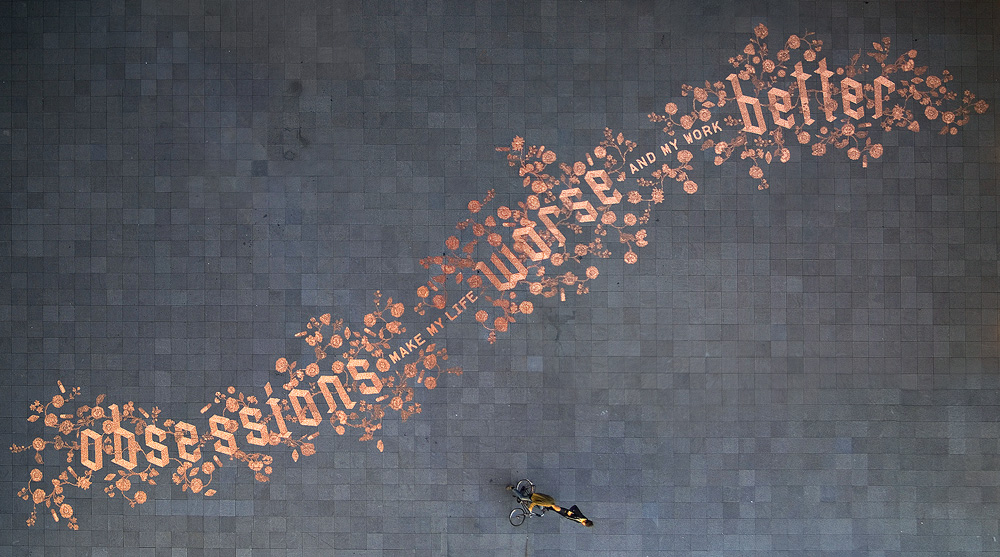
Discovered on July 25, 2010
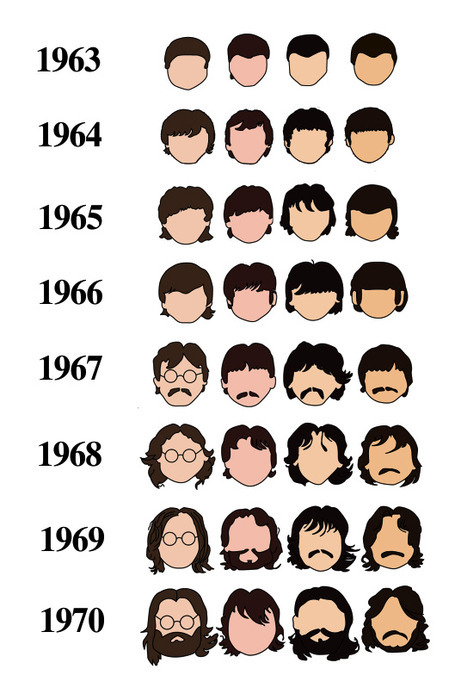
Discovered on July 22, 2010
Request for Feedback: WinnipegElection.ca
Hi folks,
On October 27 of this year the citizens of Winnipeg go to the polls to elect their Mayor, their City Councillors and their School Trustees.
Making an informed vote requires that you know the candidates, their platforms and the issues they discuss.
This is why we’ve created WinnipegElection.ca, a citizen driven website for the upcoming Winnipeg general election.
Our public launch is later this month, but we’d love you to take a sneak peak.
We’ll use your feedback to determine how to proceed with the site.
Currently you’ll find:
Discovered on July 20, 2010
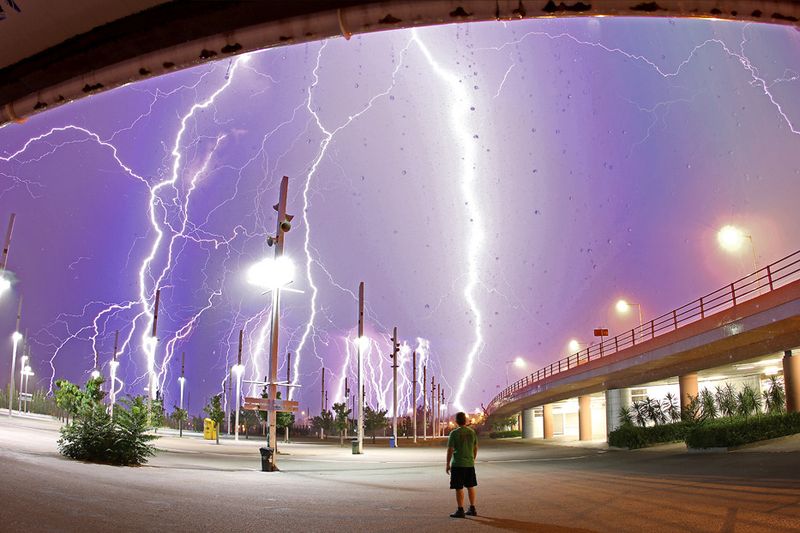
Lightning Over Athens. [via]
42 “stacked shots” taken during a lighting storm. I looked up the term “stacked shots”. It’s like it sounds, a process of superimposing multiple images.
“Stacking was developed for astronomy. The purpose then was to reduce digital noise. When using film, astronomers would sometimes expose for hours at a time (occasionally, exposing the same piece of film several nights in a row, making the exposure equivalent to several days).
Trying to do the same with digital would result in 100% noise, 0% image.
By stacking many images of shorter duration, [digital photographers] can get the equivalent of a very long exposure, each of which has the noise of a shorter exposure. The signals combine in a complementary fashion, while the noise combines in ways that mostly cancels itself out. There are more advanced statistical techniques uszed that can reduce random sensor noise to virtually zero.” —AustinMN @ Panoramio
Discovered on July 16, 2010
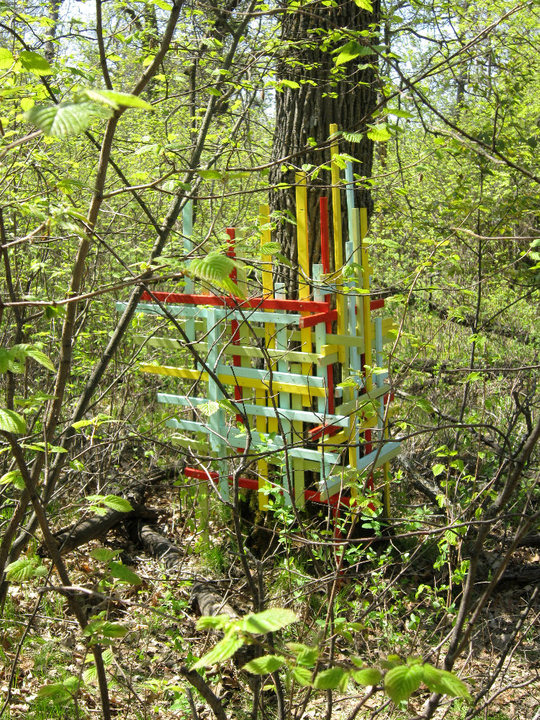
Denis Prieur’s Rural Graffiti near Rock Lake, Manitoba.
Discovered on July 15, 2010

Vine Girl from Marc DeGagne’s adventures in Argentina. Also: Chile and Uruguay.
Discovered on July 13, 2010
Video from SuperMe a multi-player resilience and happiness game from Channel 4’s education department.
It’s interesting to see these types of “life-hacking” games trend upwards. Related: EpicWin, RibbonHero, Future of Games, Jane McGonigal.
[via]
Discovered on July 12, 2010

Photos from our trip to Toronto, Hamilton, Niagara.
Discovered on July 8, 2010
Super Mario “Speed Run” Augmented Reality.
Respect. [via waxy, again]
Ask MeFi: You Were Doing it Wrong.
Members chime in on what they’ve spent large portions of their life doing wrong.
Glad this didn’t get nixed as ChatFilter. [via]
Discovered on July 6, 2010
“If we were trying to build a true, general AI, we would first need to create a way for it to get around and interact with the larger world. And we would need a system for rapid knowledge acquisition, so that we wouldn’t have to manually explain every detail of how the world works.”
Near future AI: Autonomous Automobiles and Learning by Reading.